
Plywood | Mid-Century Modern
Plywood’s layered construction resists splitting and warping, and it can be produced in large, uniform sheets. That consistency supported precise, repeatable production methods and the rise of flat‑pack and factory‑made furniture. How plywood became desirable for Mid‑Century Modern design
Modern Advantages: Plywood’s layered construction resists splitting and warping, and it can be produced in large, uniform sheets. That consistency supported precise, repeatable production methods and the rise of flat‑pack and factory‑made furniture.
Formability and strength: Thin veneers glued in alternating grain directions give plywood surprising bending strength. Designers could mold or steam‑bend plywood into curves and cantilevers that solid wood couldn’t achieve easily, enabling the smooth, organic silhouettes typical of the movement. Compared with solid hardwood of similar span, plywood is lighter yet strong, making pieces easier to ship, assemble, and use in modern, flexible interiors.
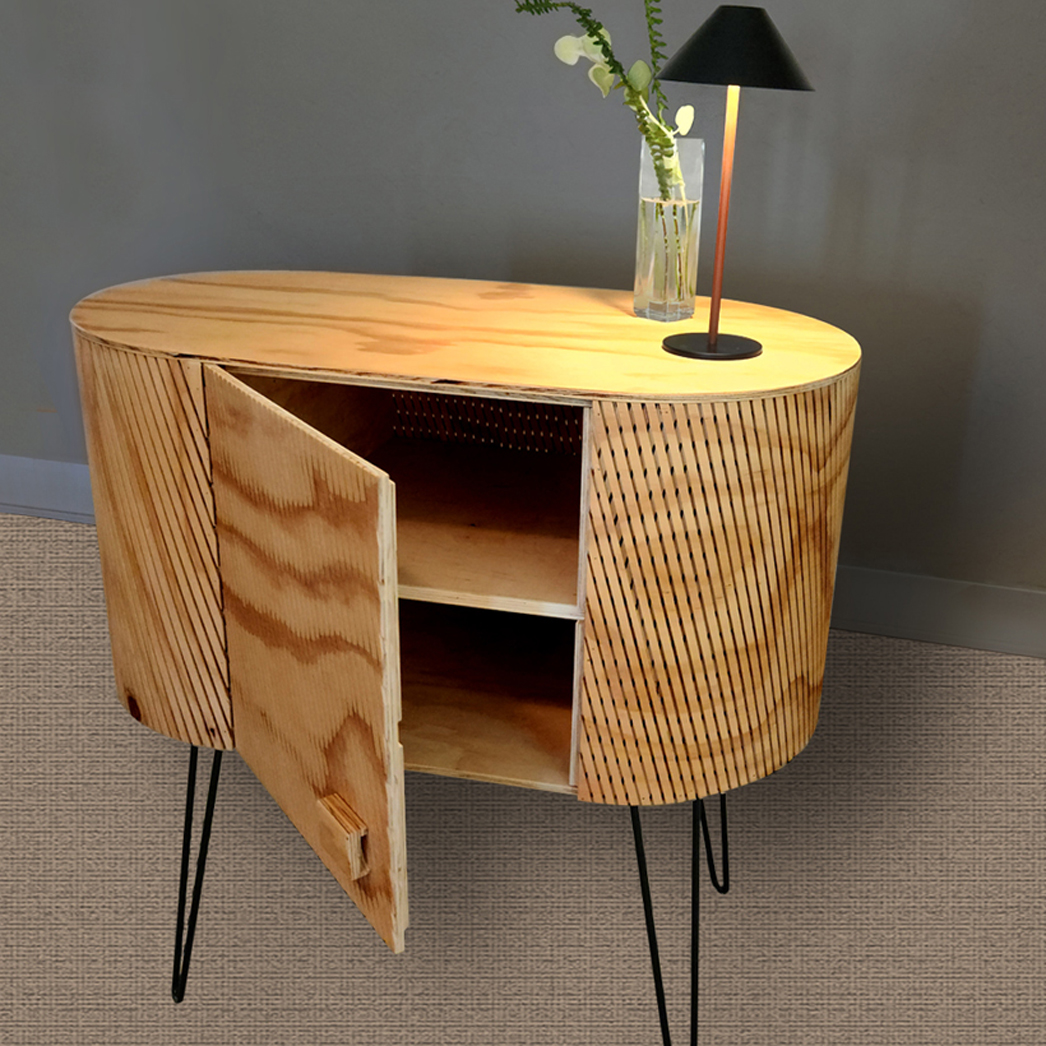 Aesthetic flexibility:Plywood accepts veneers of various species and finishes, allowing visible wood grain or painted surfaces that suited the movement’s emphasis on honest materials, clean lines, and minimalist decoration.
Together, these factors made plywood an ideal material for Mid‑Century Modern designers seeking elegant, economical, and innovative furniture as shown in this image.

Plywood | Mid-Century Modern
Plywood’s layered construction resists splitting and warping, and it can be produced in large, uniform sheets. That consistency supported precise, repeatable production methods and the rise of flat‑pack and factory‑made furniture.How plywood became desirable for Mid‑Century Modern design
Woodworkers advantages: Plywood’s layered construction resists splitting and warping, and it can be produced in large, uniform sheets. That consistency supported precise, repeatable production methods and the rise of flat‑pack and factory‑made furniture.
Formability and strength: Thin veneers glued in alternating grain directions give plywood surprising bending strength. Designers could mold or steam‑bend plywood into curves and cantilevers that solid wood couldn’t achieve easily, enabling the smooth, organic silhouettes typical of the movement. Compared with solid hardwood of similar span, plywood is lighter yet strong, making pieces easier to ship, assemble, and use in modern, flexible interiors.
Aesthetic flexibility: Plywood accepts veneers of various species and finishes, allowing visible wood grain or painted surfaces that suited the movement’s emphasis on honest materials, clean lines, and minimalist decoration.
Together, these factors made plywood an ideal material for Mid‑Century Modern designers seeking elegant, economical, and innovative furniture, as shown in this image.